Atención
20,000+ Pers.


Picture this: you join a fishing table with a modest balance, the first school of small fish drifts across the display, and your finger hovers over the cannon fire button. You have no idea whether to fire fast, fire slow, or save your coins until something bigger appears. Ten minutes later, your balance is nearly gone and you still cannot explain why.
That sequence happens to almost every beginner in fish shooting games. The failure is rarely bad luck. It is usually two missing skills: knowing when to upgrade the cannon and understanding how moving targets behave. This guide covers both using the kind of decisions you will face at a real table on five88 so you can sit down next time with a plan instead of guesswork.
Before anything else, set a personal budget for the session and treat it as spent. That single decision changes how you play everything else.
Most beginners ask which cannon is the best. That is the wrong question. The better question is: what am I trying to catch in the next five minutes?
Fish are not random targets. Each type behaves differently, and your cannon power should match the fish you intend to destroy. If you point a high-power cannon at a school of tiny fish, you burn coins on every shot. If you point a low-power cannon at a boss fish, you will probably spend far too many shots and lose the exchange.
The first decision is observational, not mechanical. Watch one or two rounds without firing. Notice that fish enter from predictable positions, swim across the screen, and leave through an edge. Notice that some swim in straight lines, some wobble, and some take long curved paths. This observation costs nothing and gives you the information you need for everything that follows.
 Hình minh hoạ: five88
Once you can read the table, follow this sequence during your first session. It is built for slow learning, not for fast wins.
If you cannot access this information on the platform you are using, treat that as a warning sign. A transparent game always shows its rules. The same applies when you check a lobby: rooms should clearly list the entry requirement, the minimum bet, and the game style. If anything looks vague, choose a different room.

Upgrading the cannon is not a progress bar you fill. It is a decision you make per shot, based on the target in front of you.
Cannon power behaves like a multiplier on both your cost and your potential return. A stronger cannon is not automatically better because every shot costs more. The exact cost ratio is something you must verify in the paytable; no third-party guide can honestly promise a universal number.
Here is a practical framework instead of a fixed rule:
That last point deserves emphasis. Some games change bullet damage when you upgrade; others change the number of bullets fired. These feel completely different in play, so the upgrade you choose must match the visual pattern in front of you.
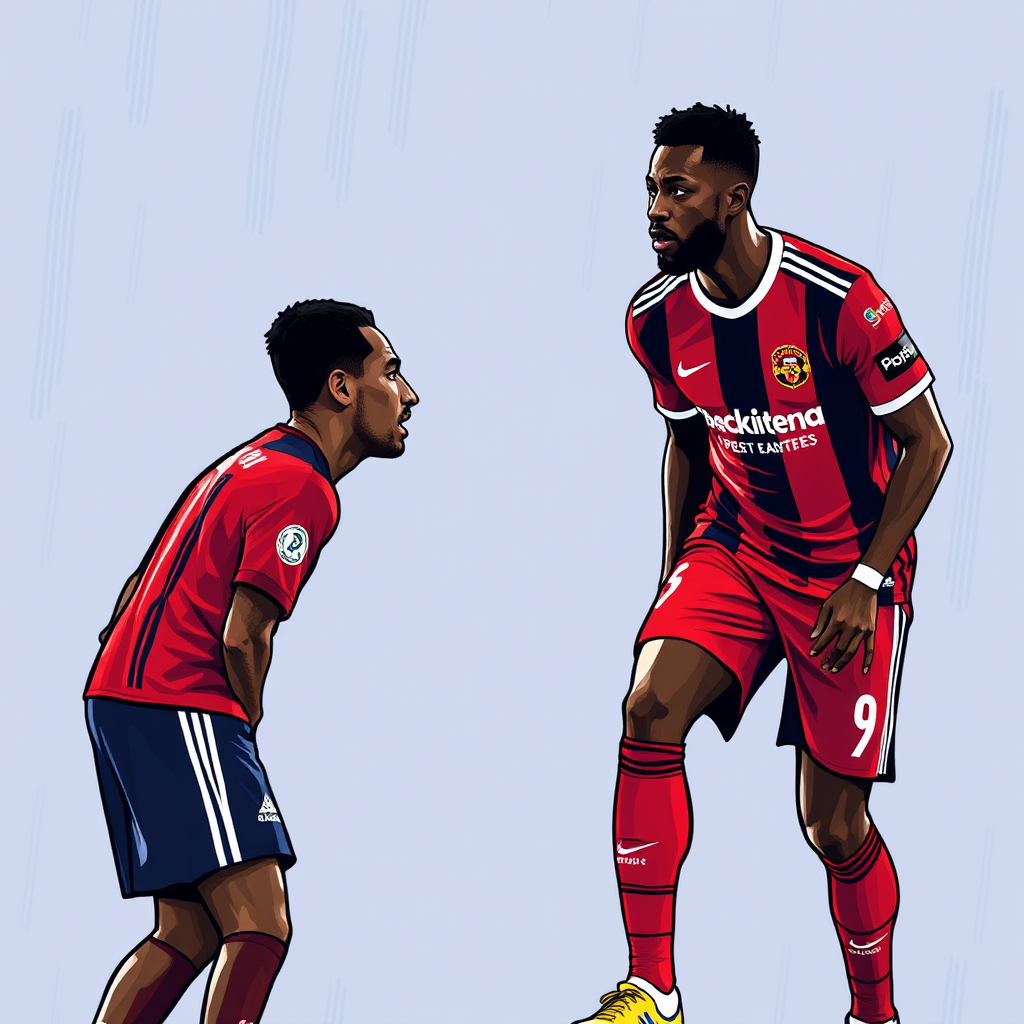
Fish move with patterns, not randomness. Once you recognize the pattern, your aim changes from reactive chasing to active leading.
These fish cross the screen at a constant speed. Aim one or two body lengths ahead of the fish’s nose and fire a short burst. Do not track the fish with your aim; place your aim where it will be.
Some fish move left and right in a wave. They are easy to over-lead. Watch them for two full waves before firing, then aim at the center of the wave cycle. The fish keeps returning to that line, so your shot has a higher chance of connecting.
These enter from one corner and leave the opposite corner. Their speed looks slower than it is because of the diagonal distance, so aim farther ahead than you think is necessary. Diagonal swimmers waste the most beginner shots.
Fish near the edges often hesitate before swimming out. That hesitation is a golden opportunity. When a cluster pauses in a corner and begins to turn, fire into the cluster just as it moves.
None of these patterns require split-second reflexes. They require patience. A room like Nổ hũ FIVE88 may add its own variation, especially if a jackpot trigger is involved, so confirm in the room description whether the bonus needs a specific fish type or a specific cannon level. Never assume the payout condition is the same across all rooms.

This table gives you a decision shortcut. It does not list exact percentages because those are set by each game’s paytable, and the paytable always takes priority over a generic guide.
| Cannon Setting | Best Target | When You Should Use It | Key Risk |
|---|---|---|---|
| Lowest level | Small fish and corner clusters | First minutes of a session while you study the table | Returns are small; you keep pace, not profit |
| Mid level | Medium fish moving straight or diagonally | When you have a clear shot and a stable balance | Costs climb quickly if you hold this setting too long |
| High level | Boss fish and jackpot-type targets | Only after you can afford multiple bursts in a row | One miss can erase several minutes of small wins |
Treat the table as a starting point, not a rule. When you play a jackpot-style variant of this game, read the room’s specific trigger conditions before committing to a high-level cannon. The mechanism that starts the jackpot is always shown somewhere in the game. If you cannot find it, do not let a larger screen or a flashy animation convince you to bet more.
Your instinct is to prove yourself quickly. Resist it. Spend the first few rounds at the lowest cannon level and monitor how many coins you spend per minute. If the burn rate outpaces your budget, lower the shot frequency or leave the room. The decision is conservative: preserve your balance until you understand the table.
This is where patient players separate from impulsive ones. The boss looks valuable, but it takes many hits to bring down. The cluster gives a steady series of small returns. The decision depends on one question: how many shots can I afford to miss on the boss right now? If the honest answer is not many, fire at the cluster and let the boss go. Two small catches are better than one expensive miss.
This is the classic trap. Players raise their cannon level after losses to recover faster. That logic inverts the risk. A higher cost per shot while you are already down means the next miss hurts more, not less. Step away for five minutes, reset your budget decision, and return only if you are willing to continue at the same or lower power. If you are not willing, the session ends there.
Is a higher cannon level always better?
No. It multiplies both your cost per shot and your possible return. Unless you can absorb the misses, a lower level with steady aim is the better choice.
How can I tell which fish is worth hunting?
Check the paytable before you start. The highest-multiplier fish is not automatically the best target if you cannot hit it. Choose the target that matches your aim skill and your remaining balance.
Do fish always follow the same movement patterns?
Mostly, yes. Movement behaviors repeat within the same room. The spawn timing changes, but the type of movement stays consistent. Observe each type instead of treating every fish the same.
Can a cannon upgrade recover a losing session?
No method guarantees recovery. Upgrading after a loss raises the cost of each decision and usually accelerates the loss. A responsible approach is to stop at a limit you set in advance.
No guide for fishing games can promise wins. The game runs on probabilities, and in most cases the house holds an edge that no aiming technique can remove.
The real risks are not the fish. They are the decisions you repeat after a loss: firing faster, upgrading power, extending play time, and chasing a jackpot with no guaranteed trigger. The paytable controls the outcome, not your reflexes. Treat the session as entertainment with a fixed budget, stop at the limit you set, and accept that a lower cannon with good aim produces a longer and steadier session than an oversized cannon with no plan. If you remember those risks, you are not merely playing the game. You are managing it.